 Missions
9 min read
Why NASA Is Flying a Nuclear Drone to Titan
NASA's Dragonfly is an 875-kg nuclear octocopter launching in July 2028 to fly Titan's dunes and sample the chemistry before life. Here’s why it has to fly.
Cosmic Replay

Breaking · Nov 8, 2026
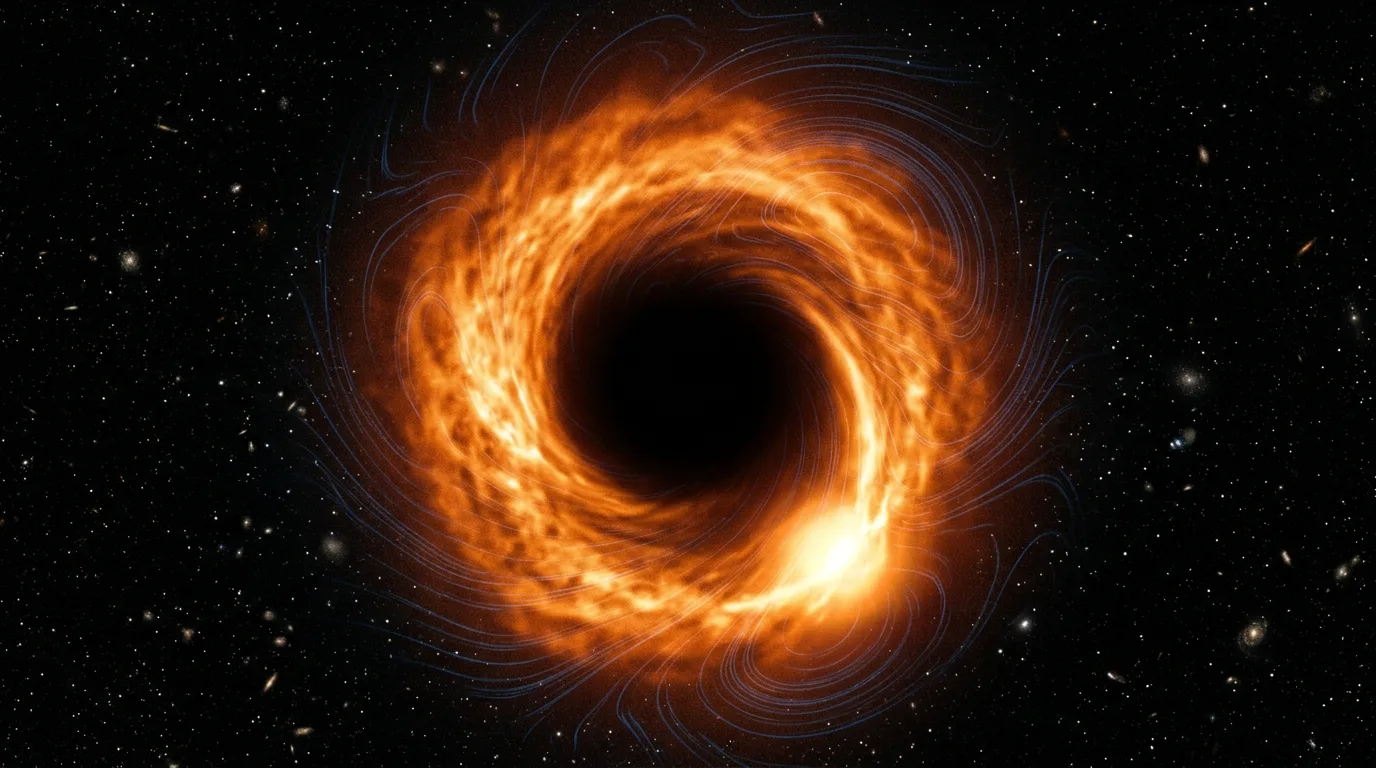
Born in the first second of the universe, primordial black holes could be the dark matter. In 2026 the case narrowed sharply. One hiding place is left.
From the newsroom
Long-form stories. For live launches and fresh NASA imagery, see the News Wire.
MissionsNASA's Dragonfly is an 875-kg nuclear octocopter launching in July 2028 to fly Titan's dunes and sample the chemistry before life. Here’s why it has to fly.
 Cosmic Mysteries
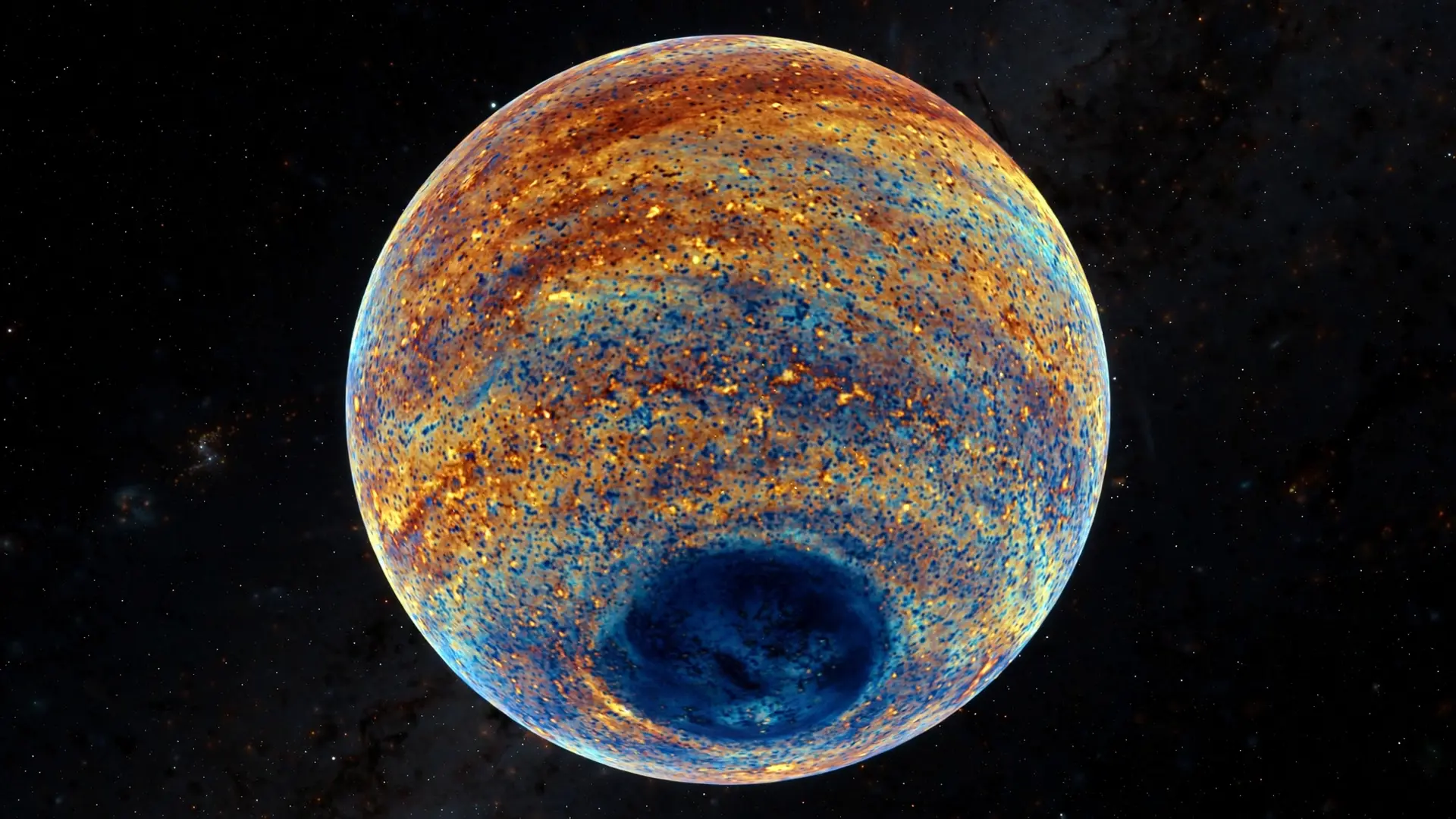
A ten-degree patch of the Big Bang’s afterglow sits 70 microkelvin colder than it should. Twenty years on, no suspect fully explains it.
 Cosmic Mysteries
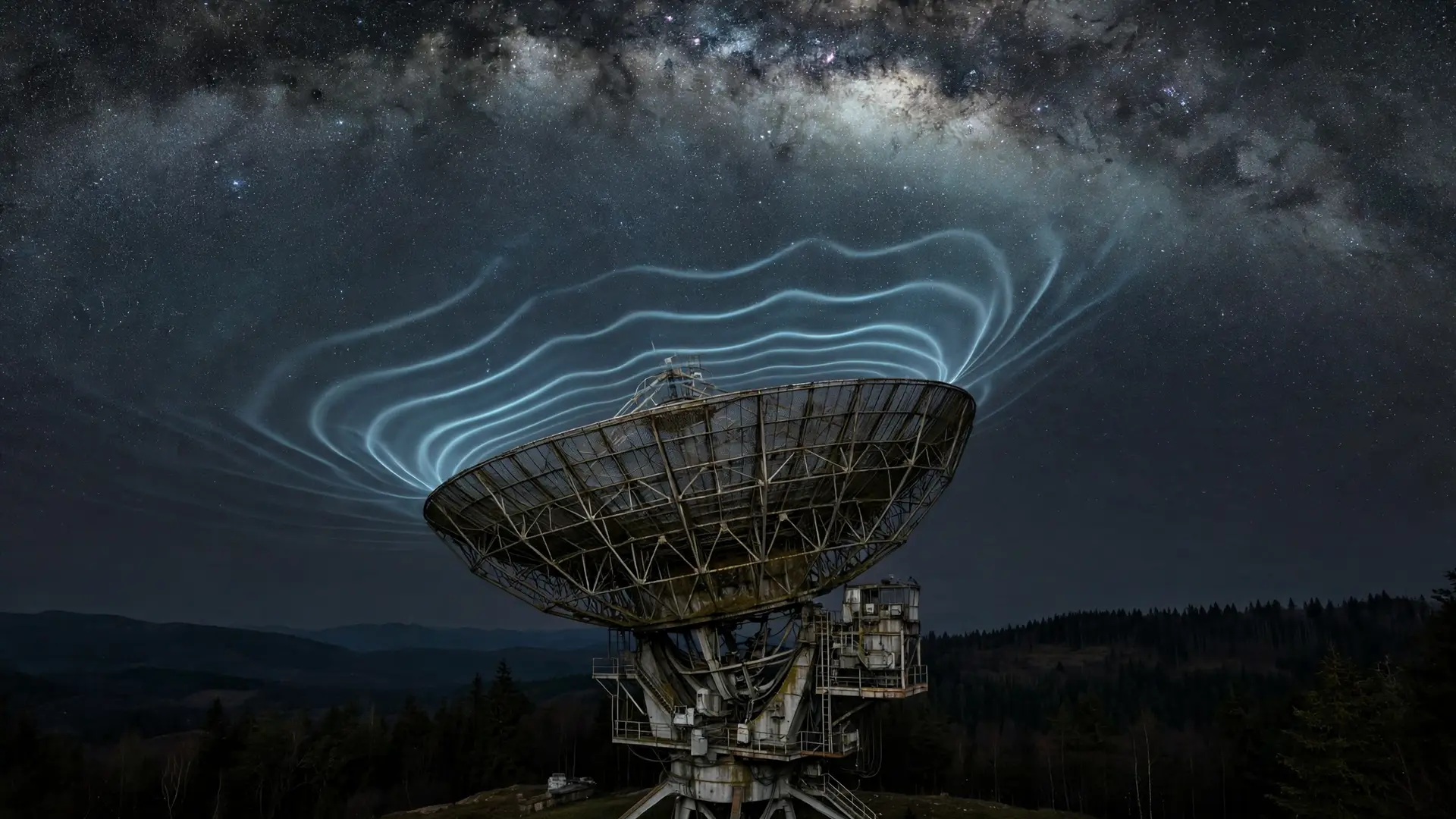
The Wow! Signal was a 72-second burst in 1977 that never repeated. A 2025 re-analysis made it stronger and sharper, and telescopes will listen again in August 2027.
 Terraforming & Sci-Tech
Venus is Earth’s twin in size and gravity, but its surface is a 465°C pressure cooker. Terraforming it means shading the planet, burying its CO2, and importing water.
 Missions
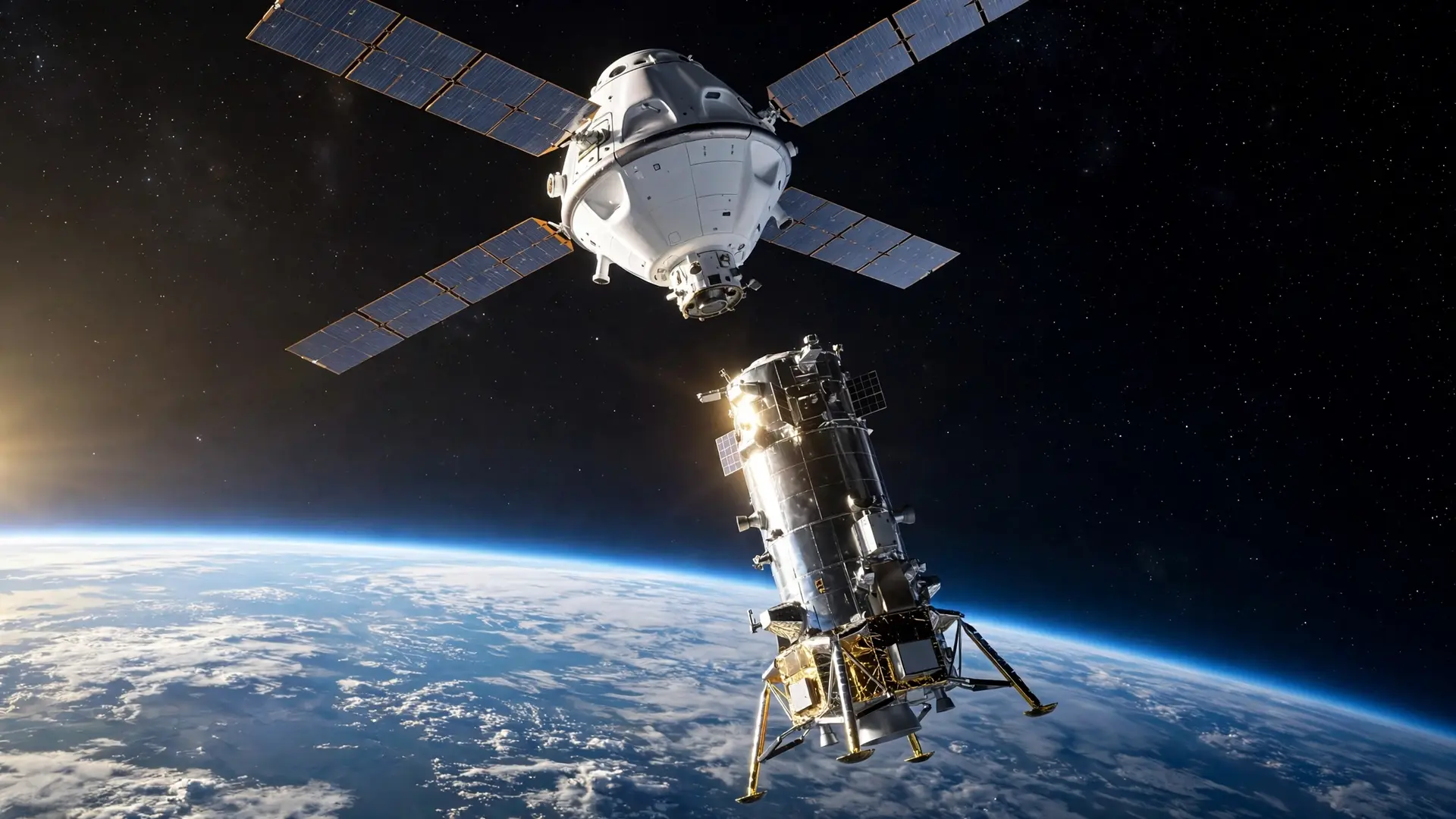
Artemis III was supposed to return astronauts to the Moon. Instead, four astronauts will spend two weeks in Earth orbit, rehearsing the docking the landing depends on.
 Cosmic Mysteries
The KBC Void is a proposed 2-billion-light-year underdensity around our galaxy, 20% thinner than average. Fresh data says it could solve the Hubble tension.
News Wire
Fresh imagery from NASA and live launch data from agencies worldwide, pulled live on every visit.
Gallery
Key frames from our long-form stories. Select one to view it full-screen.